Episode
5
How Finsweet Became a Webflow Powerhouse
Overview
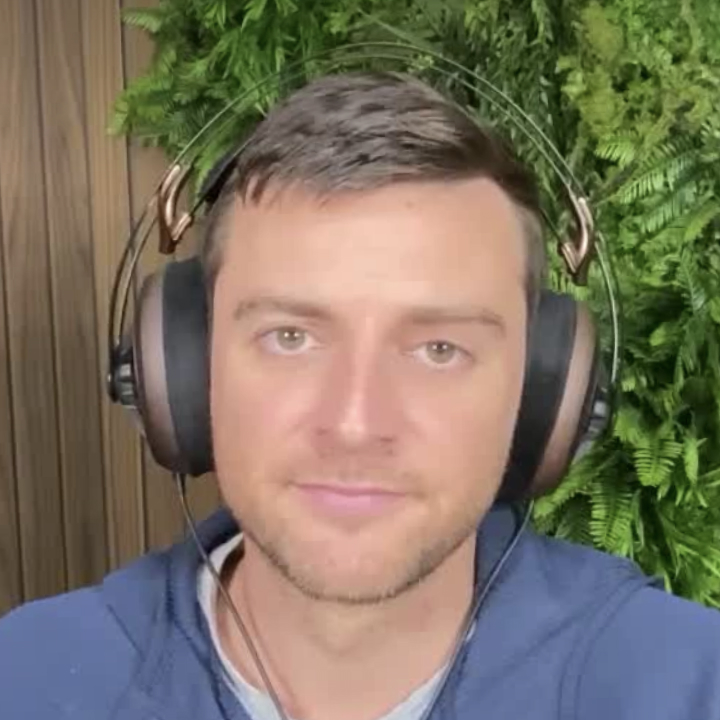
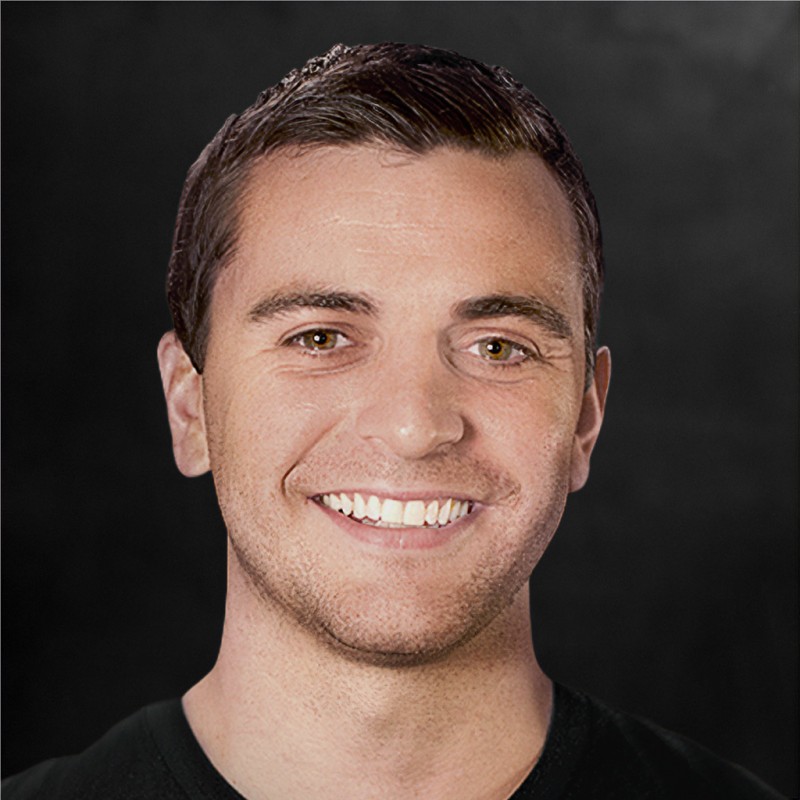
Finsweet started because Joe couldn't get a single interview. So he stopped trying. In this episode, Diogo sits down with Joe Krug, founder of Finsweet, a 50-person Webflow agency and product studio based in Colorado. Joe built Finsweet from a side project into one of the most recognised names in the Webflow ecosystem, turning internal frustrations into products used by developers everywhere, including Client First and Attributes. They talk about turning down a $1M acquisition offer, why Joe dropped design services entirely and then brought them back years later, and the Hello Sign project that broke him out of local business for good. Joe also gets into over-delivering as a growth strategy, what actually changes when you start working with enterprise clients, and how he built a leadership team that made himself largely unnecessary in the day-to-day. The thing he's still struggling with: showing the work. The portfolio hasn't been updated in months and nobody has time to fix it.
Transcript
Diogo Dantas (00:00.867)
Thank you so much for making the time. Let's kick off things by talking about who is Joe.
Joe Krug (00:13.117)
Well, who is Joe? First, the reason I'm here is because I have an agency called Finsweet We do agency work and we also have products, two different sides of the company. Our agency work helps people go and build websites for their company. So a company will come to hire us.
we'll go and build their project, whether it's a web application, a marketing site, or anything related to web. And then the product side tries to build software to help our agency team and all other developers out there build better websites. So that's kind of, that's Finsweet, half agency, half product. We're trying to do both of those things. So that's me on the work side. And then on the personal side,
father of two, wonderful wife. I live in Colorado, United States. And yeah, just happy to be here and happy to share some knowledge.
Diogo Dantas (01:15.705)
Awesome. And now that the job part is taken care of, let's talk a little bit about Finsweet and how all this started. I think you have a very interesting background in terms of like how things happen. Sometime ago, I saw a page that you had on your old website that you shared the journey and it was kind of fascinating how things happened. So can you give us like,
a brief intro of that little book that you put together on the website and kind of how Finsuite started.
Joe Krug (01:53.794)
Sure. I started Finsweet by just making websites on the side. I didn't know what I wanted to do, so I just, I had a little bit of experience playing with websites and I said, let me try to do this for a customer.
and have a little side project going on. So I made my first one, I loved it, the client was super happy and I just kept doing it and doing it and doing it. And then I realized, okay, this is my full-time thing, this is not going to be an on the side thing. And yeah, it just kept growing from there, right? As you start building more websites and learning more and just having a passion to grow your business.
You naturally want to make more and more and more. So that's what I did. I made more websites myself. I hired people to make more websites. I started making products so we can make more websites faster, just so we can do more and more. So I've always kind of been on that mission really since the beginning, trying to maximize the amount that we can do.
Diogo Dantas (02:57.305)
Nice. And did you decide it like this is the thing that I want to pursue from the first one that you developed for a client or was like after a few one.
Joe Krug (03:09.493)
I'd say after a few. Yeah, after a few. I've always been an entrepreneur. I've always kind of did my own thing with work. But I said, let me try to get hired somewhere. I sent out some applications. Nobody asked for an interview. So I said, OK, forget this. This is not worth my time. And I just kept going from there. I don't know the exact moment I realized, but
Definitely after that first website, I got a lot of confidence because it just feels good when you deliver that website and the client is so happy and it's actually going to make an impact on their business. So that feeling, I got that on the first project and that's intoxicating. that, you kind of have an urge to keep getting that feeling. So yeah, it was pretty quick. And I love learning, right?
This is such a great field for learning. There's unlimited, unlimited, unlimited learning potential in all different areas of the web. So I was learning quickly and it was really engaging, right? I was engaging my mind. So I was just having a great time and I knew it was for me.
Diogo Dantas (04:24.665)
And do you remember what kind of starting out, what are some of the, of course at that time everything probably sounded a good idea. So you were probably trying a lot of stuff, new stuff. And do you remember what were some of the early mistakes or kind of growing pains that you face kind of that shaped the company? I'm sure that you are still facing quite a lot of problems, different problems.
But what are some of the early ones that kind of made a difference?
Joe Krug (04:57.634)
The biggest problems I had early was working with the wrong people, bringing on the wrong people to the company. thankfully now, nine years later, I'm great at it. I think I'm very good at bringing the right people into the company.
but it was, I'd say years, a few years of accidental hires, not really understanding the work that somebody was showing me, their past work. A lot of people kind of show past work that may not be completely truthful. Maybe they didn't design it, but they kind of pass it off as if they designed it. Or they said they designed it and it was from a template. These types of...
Diogo Dantas (05:28.204)
Mm-hmm.
Joe Krug (05:43.362)
When you're young and you're early in the industry, it's hard to catch these types of potential hires. So I brought in some people that really hurt client projects. But luckily, I was able to come in myself and fix the whole thing. I never left clients unhappy. So at the end of the project, the client was satisfied. But there were a lot of growing pains in trying to fix the mistakes of wrong hires.
Diogo Dantas (06:11.385)
Right, that's definitely one of the main pain points in the industry. You get better at it. You can never say that you are safe from making those mistakes again. But yeah, definitely a struggle. Was there a time with all those kind of learning lessons along the way that you felt like quitting or close to quitting?
Joe Krug (06:34.09)
No.
Joe Krug (06:38.157)
No. Nope. Nope. I thought about it. I thought about it. You know, the early days, it's tough, right? It's tough. That first year, I didn't make any money or I made like just enough money. I had to say no to going out with my friends because, you know, I couldn't go out and spend $100. So, yeah, first year was tough financially, but I was okay with not spending money and kind of being
Diogo Dantas (06:40.181)
I know.
Joe Krug (07:07.883)
relaxed that first year. And I loved it so much. You sometimes when you're so passionate about something, you can just very easily look past the money aspect. And then probably in year two, three, four, I was making money and more of it each year. So that just became easier to say yes to, right? If you're passionate about something and you're making enough money to support yourself and it's growing, it's kind of hard to quit on that.
So no, the first year I played it cool and never really had that idea of quitting. Yeah.
Diogo Dantas (07:44.409)
Great. I heard somewhere that in 2020, so I think you started Finsweet in 2016 or something like that. In around 2020, someone offered a little bit roughly $1 million to acquire Finsweet and you said no. Why? I think for some people, myself included, I don't really know how I would react.
Joe Krug (07:55.105)
Yeah, yeah, that sounds right.
Diogo Dantas (08:14.379)
if that option was in the table. But why did you deny such sum of money and how did you feel after the decision?
Joe Krug (08:25.227)
Well, it was tough to say no to it, but I was ready to say yes for weeks. I was preparing all the documents to say yes. And then I just had this weird feeling of saying no. I was preparing these financial documents and just the way that they were asking for the financials and the way that I had to present them. And then some of the decisions I made the past few years, how drastically those decisions
Diogo Dantas (08:34.232)
Hmm.
Joe Krug (08:54.591)
influenced the purchase price. It just didn't make sense to me. The financials were not what I wanted to think about. And I just got this weird feeling that I shouldn't do it. And it was a good decision, of course. mean, honestly, what I would have done with that money, if I would have sold Finsweet Agency, I would have used that money to seed fund the products company. Because at the time Finsweet
We were just making our products the buying company didn't really care about the products They're like this doesn't matter at all to us We just want the agency and that kind of disappointed me a little bit So I would have used that money to start the products but Looking back on it was a great decision not to sell because now Finsweet is worth a lot more money And I think we have a really good roadmap and a really good path ahead. So At the time it was tough
But it was a good decision. Looking back, I'm totally confident about it.
Diogo Dantas (09:55.863)
Nice. And I'm glad that you did that. I think if you accepted the offer, probably the Webflow community, especially everything that you and the team put out, the products, will be very different. So thank you for that. So I also read somewhere that one of your, and I think from the introduction that you made on kind of one of the main pain points that you felt while growing was
Joe Krug (09:58.2)
Yeah.
Joe Krug (10:10.327)
Very true. Yeah. Yeah.
Diogo Dantas (10:25.625)
people that you, the wrong people that you hire that sometimes hurt the project that you were delivering to customers. then you jump in and you save the kind of the relationship and the project. So that means a lot. Not everybody will do that. And I, I, I heard that kind of over-delivering is part of your strategy for, for growth, not just doing the work and kind of making sure that everything that was in the
Joe Krug (10:37.229)
Yeah.
Diogo Dantas (10:54.103)
the proposal, the requirements, everything that is delivered, that's kind of what is expected, But then you have something that pushes you to over-deliver, and you pass that on to the team. Can you give an example? I'm sure you have many where this strategy actually worked, because sometimes you guys might already struggle to deliver because of timelines and kind of...
Joe Krug (11:12.397)
Just doing what is expected already good Talking about like project profits and all that
Diogo Dantas (11:23.373)
team availability and all that. We know how hard it is to manage everyone and everything. Just doing kind of what is expected is already good. So going the extra mile is even more difficult, especially when you are talking about like project profits and all that. Can you give like a specific example where this strategy worked, where you saw the results later?
Joe Krug (11:43.017)
Can you give me like a specific example of where these strategies work? Yeah, let me start by giving two actionable things you can do to go above in a project. I'll share a simple one and then a kind of a more advanced one. Simple one. At the end of the project, once everything is done, create a CMS template page.
That's a landing page template. Use existing sections that you've already built and add them to this template. Go and add the field so that the client can go and customize the text and this and whatever. Now you can go to the client at the end of the project and say, hey, by the way, this wasn't part of the scope, but I built you a general landing page builder. If you ever need to just have a landing page, you don't know where to start,
You can fill in all these fields here and these buttons will hide each section that you don't Client will love it, right? It's not part of scope, but really it took you less than an hour. Should be definitely less than an hour to put all that together. Easy. Another example of that. Same thing with a form. Go and take the form that you already built. Make a template page. Connect that form.
to the CMS template and say, hey, I built a general form builder for you. You can have, you can collect your normal name and email like you always do, but you can change the title. You can change the call to actions. You can change the blog posts that show underneath. And this is just for you. This is a gift. You do both of those things. It'll probably take you an hour. The client's going to love it. And they're in on delivery when they're already happy and you give them something extra.
They're going to be very happy about that. That's when you go and ask for the testimonial. That's when you go and ask if any of their friends need websites. I think that's an easy path to over deliver with things that you've already built. The thing that I love to do in over delivering in addition to that is really over delivering on design and or features. If you want to build $50,000 websites,
Joe Krug (14:08.493)
you should build $50,000 websites regardless of what that person is paying you. So let's say someone has a $50,000 website, but they say, you know what? I only have $30,000 to pay you.
Diogo Dantas (14:14.381)
Mm-hmm.
Joe Krug (14:23.457)
Take that project, build it as a 50,000 site because when you have that, when that project is done, you now have a $50,000 looking and feeling project in your portfolio. And that's now going to attract other projects of that same caliber. So over delivering on design, that's an easy one. Somebody may not want to pay for your best designer, but if you feel good about the project, if you think it's going to take your portfolio to the next level,
maybe put that top designer in there, take a little bit of a loss so you can build that next level project that will make the customer happy and attract the right type of people. So I like to over deliver in those kinds of ways, the more functional way and then also the just build bigger projects because it's going to attract other bigger projects.
Diogo Dantas (15:15.801)
Those are good strategies. Thank you for that. Some of those are, as you mentioned, pretty simple, like the first two ones, like the landing pages. Sometimes we even done it, but I didn't thought it as over delivering. I'm like, this is of the basics. It's there. Thanks for sharing.
Joe Krug (15:34.422)
Yeah, but it's not part of the scope. Don't add it to the scope. They're not expecting it. And at the end, surprise them. And now they feel like you've gone above and beyond, which you have. You've actually done that. You're not trying to trick them. The order in which you do things, the way that you position your work, all of that matters in how your client sees your value.
Diogo Dantas (15:40.803)
Yeah.
Diogo Dantas (16:01.561)
Absolutely. And talking about now kind of still clients. So you guys kind of start very small. The first few projects that you mentioned probably are kind of local business, I would guess. And then you start kind of winning larger, bigger clients. At some point you started to become or you became like a Webflow enterprise company.
Diogo Dantas (16:32.573)
How does one get there? I know that it's, as you mentioned, taking the job as if it's like a $50,000 project, like over-delivering, always getting like the best workout, but some people are still trying to do that, but they don't get there. Are there some kind of practical tips or learnings that will...
Joe Krug (16:52.477)
Yeah.
Diogo Dantas (17:00.345)
kind of help people get 1 % better and closer?
Joe Krug (17:06.307)
Yes. Maybe a sub question is how do I break out of local business? Right? I know a lot of people that this was a question I had when I was starting. My whole portfolio was filled with local business, but I had this feeling like I want to do more than local business. I'm now when I started, I was at the level of local business, but then I grew.
Diogo Dantas (17:12.493)
Mm-hmm.
Joe Krug (17:31.007)
where local business felt like it was holding me back. I wanted those projects that needed better design, that needed better features.
So, you are what you build. You attract what you build. If your portfolio is filled with those kind of local business websites and the websites that have a maximum budget of $3,000, that's what you're going to attract. That's what's going to come your way. So you need to break out of that with at least one project. Get that one project and that's your new feature project.
Diogo Dantas (17:46.041)
Mm-hmm.
Joe Krug (18:12.609)
and hope that that project can be your ticket to go and get similar projects. So my practical advice is don't...
Don't focus on trying to build a funnel of these higher end businesses. Just get one. Do one project that is representative of the work that you want to do. And then hopefully that will attract the other work. And in my case, this happened with Hellosign. I was filled with local business and I worked my ass off to pitch for this Hellosign project.
And I got the project and that was my golden ticket to other projects of that caliber. And then very slowly, local business started leaving my portfolio. then, you know, after let's say six months of, of getting these other projects, there was no local business in my portfolio. That was the official moment that I moved out of local business.
when it was no longer in my portfolio and I had other work to represent it. So go out there, try to get that big fish of yours. Don't be unreasonable. Stay within reason. You may have to work for less money than you want. For example, on the Hello Sign project, I told them, I don't care how much you pay me, tell me your budget, reduce a little bit from it, and that's what you're going to pay me. And they loved that. They thought it was hilarious.
Diogo Dantas (19:51.171)
Hmm
Joe Krug (19:54.552)
And they paid me like good for me, but I bet that they were kind of laughing on their end like, wow, we got a really good deal on this. And that's fine. know, take a little bit less, be ready to take that cut early on to take on that key project. And that's what will fuel you. So that's what happened with me. And that's of course what I would recommend anybody do. I think it's very practical and anybody can do it. Nobody can't do this.
Diogo Dantas (20:01.827)
Yeah.
Diogo Dantas (20:24.057)
Yeah, that's very good. I think the kind of the money that you don't take on that specific project, you win on others. of, and yeah, that's kind of an easy thing to do. Yeah, exactly. Smart thing.
Joe Krug (20:38.571)
It's marketing. If you want to justify the cost, it's marketing. To be able to put a featured project, in my case, Hello Sign featured project, I would pay money to work on that project. It literally fueled everything that came in through Leeds. So it's marketing. But yeah, it's justified.
Diogo Dantas (20:46.585)
Yeah.
Diogo Dantas (20:57.718)
No, absolutely.
In this specific case, LL.osign, did you reach out with like a cold email like saying that I don't know if you guys need a new website but I'm here or they were already looking for someone?
Joe Krug (21:17.325)
They posted on the Webflow forum.
They said, hey, we're looking for a Webflow designer. Send us your portfolios. And they said they got over 100 responses. And it was between me and another person. And when I found that out, I just went 100%. I just started working on the project, pretty much. So the best way to really get started with a project you want is when you see that job post.
and you really want that project, just start doing it. Serious, just start making the site map, start picking out issues in their current project, start recommending updates to their design, maybe make a hero scene, maybe make the whole webpage, right? If you're really passionate about it, make that landing page. And then present it to them, say, I want this project, this is what I think, let's have a phone call. It's hard to say no to that.
Diogo Dantas (22:19.683)
Yeah, yeah, absolutely.
Joe Krug (22:20.941)
It's hard to say no to that. Someone who comes prepared and really starts working on it. And really, if you're efficient and effective, you could do all of that in one day. That's what I did all the time, even after Hello Sign. It doesn't work every time, but it works sometimes. You just kind of jump into it, present your work. They love the work, and they're like, all right, let's just continue. We want what you're doing.
Diogo Dantas (22:43.949)
Yeah, there is proof. Amazing. And since you started working with enterprise level clients,
What are kind of the main changes that you see the team in terms of process and how you deliver projects? What are the main differences between like non-enterprise? It's kind of a bit silly to say like non-enterprise and enterprise clients because that nomenclature sometimes can be tricky what makes an enterprise client. But I would say kind of bigger clients, bigger kind of phases of approval, like longer feedback cycles. So.
Joe Krug (23:16.685)
Some of the big ones, they make the decisions, not you. So our biggest clients, they make the decisions. We don't make the decisions for them.
Diogo Dantas (23:22.713)
In terms of team structure and processes to serve these clients well and keep them happy, what are some of the main changes that you saw?
Joe Krug (23:46.817)
They may ask for our opinion. They may...
Yeah, they may ask for our opinion, but really at the end of the day, they're saying, do this. This is what our marketing team wants you to do. They have their marketing team. They have people making decisions. We are the web developers and the designers that go and implement whatever their ideas are. So that's one difference. It's another different, and sorry, back to that past one. We're smaller clients. They come to you and they're...
kind of looking for your professional advice to make the decisions, right? They don't know what they're talking about. They don't have marketing teams. They're a one person shop or a three person shop or whatever. So very different. Another big difference is the bigger clients are more demanding, both in their features and the speed. So a lot of bigger clients will have requirements, period.
That's it, like don't, this is the requirement. We must host it like this. We must use this service. We must have this approval process. Whatever their must is, their requirement, they have these kind of requirements that you have to follow where, you know, of course the smaller companies don't. And then the last one, I had it in my head. Let's see, that last one is...
Diogo Dantas (24:52.857)
Thank
Joe Krug (25:21.613)
speed that our enterprise clients I'll say Dropbox. This is kind of our biggest client. We have lots of people working for them. have we're working with multiple teams of theirs and they are demanding. We love it. They're very clear. Like it's we want this type of work and requirement, but they're demanding like this is what we're doing. We need it launched by this time at this moment at this moment and like
We follow their demands. Because of that, it requires project management. It requires multiple developers on the project, even if one person's needed, because maybe one person's not available or they're sleeping or they need someone. They've asked us to be on call for 72 hours straight. Like we need somebody to answer our message immediately at 72 hours. Demanding. But we love that. We want more of those clients because they're
Diogo Dantas (25:54.585)
Mm-hmm.
Joe Krug (26:21.867)
let's say, direct, easy to work with because they're just, they know what they want and we just, we fulfill what they want. So, and of course that type of relationship, you don't want that in the smaller clients. That's a huge red flag if that kind of nature is coming from the smaller clients. So I'd say those are the biggest differences. They are very big differences. And another thing I'll note, the bigger projects are definitely requiring
Diogo Dantas (26:38.457)
You
Joe Krug (26:51.293)
project managers. For the first five years or so at Finsweet, maybe even six years, we didn't have project managers. We just had Webflow developers that were able to manage their project. But as projects got bigger, that got more challenging. Because now, you know, when we work with an enterprise client, it may be a Slack channel with like 10 of their people, 15 of their people, right? There's a lot of people
Diogo Dantas (27:05.454)
Mm-hmm.
Joe Krug (27:20.407)
That's too much for one person to manage who's also developing the project. So it came with a requirement for a formal project management system. So we now have a formal project management system.
Diogo Dantas (27:33.369)
Nice. Good to know. Thanks for sharing that. Going back to 2020, so 2020 I see that it was kind of a big year. In 2020 you decided to, if I'm not mistaken, decided
down.
Diogo Dantas (27:56.129)
2024, of around four years later, you decided to start offering those services again and we can see those like on your website that you offer branding, web design, services, plus all the web development services. What made you first cut on that service and then second a few years later bring that back in?
Joe Krug (28:18.473)
Yes, you're talking about design. So we didn't drop Webflow, we just dropped design. Yeah. Okay, great, great. Yep.
Diogo Dantas (28:25.487)
yeah, sorry. I meant to say that. Yeah. You dropped design. You kept, you just focused or niche down on, on Webflow development only.
Joe Krug (28:31.661)
development. Yeah. Yeah, it was a decision because
We were seeing several projects of customers that were really bad with communicating their design specs. Really bad at communicating their design feedback. I'm sure you're smiling, it sounds familiar to everybody listening. This makes employees unhappy, right? When that's aggressive and you're deep in a project and you really hate working with that client.
Diogo Dantas (28:56.793)
Yeah.
Joe Krug (29:08.223)
It makes your clients, your employees unhappy, makes you unhappy. We even had a huge project that was loving it, loving it, loving it, loving it.
75 % through give me a refund or I'm suing you so we just backed away we just gave a refund like just don't talk to us anymore and Goodbye so Yeah, I think design is very unpredictable. It's very subjective there's There's opinions involved when you then look at development. There are no opinions involved or I should say
there is an objective answer and you can come to objective outcomes. And I realized like maybe 70 % of our design projects failed. And by failed, I mean like we may have broke even or lost money. Not like we didn't deliver. We didn't have like huge issues, but you know, projects would extend a month or two because the client was late in the feedback or late in this and you know all the issues.
And I found that our development projects were near 100 % perfect. So at the time I said, let's focus on development, let's be the best darn developers there are, and let's focus on product, which is also development focused. So at the time I was thinking, let's just be that development company. Then as we were getting bigger projects, we found that some customers needed design in their project.
but we didn't really offer it. So imagine not offering design for two years and then someone says, I need design. You don't want to just get together a random process and a random team of people together. We need like a formal process to work with these big companies. So we were losing sales because companies wanted to work with us, but they needed design and development in the same package.
Joe Krug (31:14.465)
Part of their requirements, bigger companies have requirements. You can hire one contractor to do this project, not four. So we had to offer more services like design and development and sometimes like consulting, right? They needed a consulting team to come on before. So now we offer those kinds of services. So design just, we needed to start offering it again to unlock some of these bigger leads that were coming in.
We also have designers which help. Like we have a lot of great designers on the team. It's not like we have to go out and build this brand new service. We just had to a point ahead of design, create our processes, and then just improve the service. So we've been offering design for I think a few years now or a year or so, and it's going great. We're not blocked from the smaller projects.
do great design work, and with a good process and with good communication before we start, we limit a lot of that issue that we had earlier on, where we were just kind of jumping into projects, starting to design. Like now we have someone who's been doing design for over 15 years. It's like a, it's a lot more of a structured process, review process. Design QA between a team. It's like a whole, it's a whole thing.
So it's going well. I'm really glad that we added the service back and it was the right time. It was the right time to drop it and it was also the right time to add it back. Companies change, right? When you have a company for nine years, it's never gonna be the same in year one, in year five, in year nine. So we were kind of riding that wave of what we needed to do at that time.
Diogo Dantas (32:56.312)
Absolutely.
Diogo Dantas (33:06.625)
Yeah, usually that it's a bad sign when you stay the same for a long, long time. Either things are working super well, which in business, I would say it's rare unless you adapt to times. but yeah, that of course, we also thought about that specifically at Better Mistakes. We thought about that because as you mentioned, like development, when you start...
like you kind of know the whole roadmap. You know that you are starting here and finishing there, like take it one day or two more or less, but you will get there like in a very short amount of time. Design can go in any way. It's very subjective, as you mentioned. So yeah, I get the frustrations. Cool. So now going into a bit of...
Joe Krug (33:35.63)
.
Diogo Dantas (34:00.525)
the strong kind of the duality that you mentioned that Finsweet has. And I'm very interesting to kind of understand this concept of being a design that provides design, being an agency that provides design and web flow development services. And then having products. When you started Finsweet, did you have this in mind or when?
when this concept of also being a product, building products came to your mind and you started executing.
Joe Krug (34:40.131)
Well, we. The need for products came from limitations within the agency. So I was building sites every day. I saw the limitations in Webflow. I saw the limitations in my workflow and I saw the limitations in what customers wanted and what was available.
So I was so deeply embedded to all of these issues and I had these ideas, wouldn't it be great if there was a system like this to set up filtering? Wouldn't it be great if there was a system like this for this? And then...
You you almost, you kind of start building those internally, starting to think about that stuff. And then I realized this is great marketing. Let's just, let's, how cool would it be if a company came to my page and saw that we also had this filtering solution. That was one of the big concepts, CMS library with the filter solution. Previously, it was using mix it up or isotope.
Those were like the, if you've been in Webflow for a long time, those were the original options. And then CMS library came along and then we increased, we, we released attributes, but I just needed that filtering. I, was so hard for me to set up, mix it up and hard for me to set up isotope. And I, you I wasn't really a code guy. I didn't like implementing third party libraries that weren't really made for Webflow. Right.
It's kind of hard to work with products that are not made for Webflow inside Webflow. So all of the products that we make, we really try to make it feel like it's part of Webflow, like it's part of that ecosystem, the same workflow. And yeah, I just, I kind of got obsessed with it. Once we got that first working version, I'm like, whoa, we can actually make a filtering solution that's better than the other ones. Let's just keep doing this.
Joe Krug (36:48.981)
And like I said, that marketing aspect, I always had an idea that it would be great marketing, even if it was just on the website. I didn't expect to have lots of users. I just wanted it to be a natural advertisement for my company.
Diogo Dantas (37:03.129)
And show the expertise right like when you are building on top of something
Joe Krug (37:05.963)
Yeah, show the expertise. Yeah, that's such a key there, showing that expertise. Because you can show your website skills through all your portfolio items, but when you show something else like that, like a UI library or like a Figma template thing that you made or whatever, that's just something else that the customer says, I like that. It's another reason for somebody to go and contact you.
So even at that simple level, it kind of felt like it was worth it at that time.
Diogo Dantas (37:38.681)
So you basically try to solve yours or the team's problems by the tools you build. And was that what also happened on client-first? I'm not sure if client-first was the first. I'm not sure if we can call it product, but let's call it product. Was client-first the first thing or was filtered or something else?
Joe Krug (37:46.24)
Exactly.
Joe Krug (38:02.981)
No, there were a lot of other things before Client First. Client First came because, again, we needed that in our agency. So when I brought people onto Finsweet, I made sure that they developed similar to how I developed. They didn't need to be exactly the same. We didn't have like a formal onboarding process, but it kind you know, sometimes you open up a site and you're like, what the heck? Like, how did you build this?
Anybody that had that kind of building style, I didn't hire into the company. So everyone was kind of, you know, I'm like, okay, I understand your site. It's well organized, same thinking pattern. So I brought people like that to Finsweet. But as you get to 10 people, eight people, 15 people, whatever, there now becomes enough variation where there's confusion. One person builds modals like this, another person...
styles this like this, another person is this class style, and now 15 people in, it feels confusing and it doesn't feel like one system anymore. Two or three people, you can kind of feel the similarities. So I said, all right, we have to build a system here. We need a way for everybody to be on the same page, for everybody to feel like if I jump into a client first project, it will almost feel like I built it.
even if someone else built it. So that was the goal. And then once we started making the docs, we said, hey, we have to release this to everybody. This is too valuable. And it was just not valuable enough for us to keep it private. just for us, there was no reason to do that. So we released it for free, and it's been growing ever since. And it's actually made our agency development so fluid, like I was talking about with the big projects.
multiple developers on a project, even if there's one needed, or being on call for 72 hours, we needed like eight people to do that. And they're all jumping into the same project because it's all client first. So it's really streamlined the entire development process across the whole company and it's been very effective for us.
Diogo Dantas (40:16.825)
Amazing. Yeah, it makes sense. You start having everyone align, and everybody can kind of be different, but still be aligned and kind of communicate with each other without even talking. Like just developing a system that you guys built kind of allow you to have a team that can scale quickly.
Joe Krug (40:44.382)
That can, can I add to that? That can talk in the same language. So you can be expressive. You can use client first in your way, but you're all speaking the same language. So when you all speak the same language, you can jump into the language and do your own thing, make updates, change things, but you understand the language. That's a key, a key part of the system.
Diogo Dantas (41:06.616)
Yeah, absolutely. So all this that we talked about, like product, client first, that helps, I would say tremendously with business development. I would say that that gets you quite a lot of leads. there other, over the years, are there are other business development strategies that you tried to implement that were not that successful and that you feel comfortable sharing or ones that are successful if you want to share that as well?
Joe Krug (41:37.332)
Well, not successful cold calling. I tried cold calling. I have lots of experience selling. even had at that time starting Finsweet, I had direct experience on the phone. So I tried that. I got my first project from my first phone call. That was the project we talked about. And after that, I never got another cold call sale.
Diogo Dantas (41:40.825)
and
Joe Krug (41:58.72)
So it was wildly ineffective, although it did get me started, but I wouldn't recommend it. Pretty much all cold outreach was ineffective. I never, I can't remember a single moment I had any success with cold outreach. Maybe somebody else started the conversation like the Hello Sign example, where they started the conversation in the forum, but me just reaching out like, hey, can I build a website?
never worked. So those were failures. I even tried like, you know, the email, the those like audit, those email campaigns did all that stuff. We tried to hire a company to do that all that stuff failed. None of it worked.
What has worked? I can switch to that. Of course, our, our content and products have had a big impact. We now even get, we get customers that leads that come to us because they think we built the site just because there's Finsweet all over it. Right. There's, there's attributes and there's client first and FS prefix everywhere. So they say, we want you to, to.
to this site that you made. And we explained we didn't make it, but somebody else used our tools. And if you want, we can talk about us managing it for you. yeah, that's also effective. know, having the products out there. That's very hard for people, right? Making your own products or having that kind of reach on content where people go and
Diogo Dantas (43:33.529)
Mm-hmm.
Joe Krug (43:45.934)
contact you because of your content, it's a lot of work. This took years and years of work to see results from this. It's not like we just started making products and bam, it worked. In the beginning, CMS library was only valuable for us because it was a portfolio item on our website, but we didn't see those leads come in through our products for, I don't know, years. It kind of just started happening in the past two or three years or so.
Diogo Dantas (43:57.944)
Yeah.
Diogo Dantas (44:13.987)
Mm-hmm.
Joe Krug (44:15.625)
So what else has been effective? Just having good work on your portfolio, being active, communicating with people. You can jump into conversations on LinkedIn. You can jump into conversations on X. You can jump into conversations anywhere. And when you make a comment that's interesting, people click on your profile and look at your portfolio.
Diogo Dantas (44:32.857)
Mm-hmm.
Joe Krug (44:44.223)
If you have a great portfolio, this is a great way to target individuals. So working on that portfolio, that is such a key part of this for getting that new business, assuming that there's some traffic to your website. even, know, talking to people on LinkedIn, this is a free, use your own resource way to communicate to people who could be customers.
and kind of put your portfolio in front of their face.
Diogo Dantas (45:14.777)
Yeah, that makes sense. Yeah, I think that would be kind of good tips and easier to get to for people that don't have the products that you have. I think it's hard. Sometimes we I talk for myself. It's even hard for me to try to schedule polls or try to post regularly on LinkedIn to show my work.
So trying to think about building products at such scale that you guys are doing it, the number of products that you build, also the kind of weekly or bi-weekly or monthly updates that you also do on YouTube. So it's crazy the amount of marketing work that you guys do. So yeah, I think being active on X and LinkedIn is kind of a more common thing to do that anyone can actually do it.
Joe Krug (46:12.194)
Yeah.
Absolutely. And you can search for those conversations. Jump into LinkedIn, search for people talking about websites. Do the same thing on any other platform. There will be people talking about them as service providers and as customers, asking what platform they should do. Go film a video of you going through Webflow. Hey, Joanne, I saw your post on LinkedIn. I'm just sending you a DM.
Diogo Dantas (46:22.734)
Mm-hmm.
Joe Krug (46:41.885)
showing you Webflow. I think this is the best platform of building it with it for three years. And I just want to give you a quick overview of how easy it is to use the CMS. I can do this for you. Right? Maybe that's a new customer. You have to be scrappy when you're... If you're looking for leads, you have to be scrappy. You have to get in there and start talking, start getting creative with how you communicate with people.
Diogo Dantas (47:11.097)
Great. And as the business grew, as the agency grew and also all this product, with so much going on, I'm sure that you learn one thing or two about delegation. You mentioned that, or I read that you now have a head of agency that takes some decisions or big decisions.
First of all is how do you find someone like this when you are at a point where you feel like, I, or the first thing would be, the first question would be, why do you need someone kind of as head of agency? What were we looking for? Like focusing more on product, getting away on the day-to-day of the agency, and kind of.
I'll do decide to when to step back and when to step in on some decisions or something on some some fires that could be happening.
Joe Krug (48:19.88)
Yes, I hired a head of agency, but first as a salesperson.
Diogo Dantas (48:27.065)
Hmm.
Joe Krug (48:27.083)
I wouldn't recommend that you just hire somebody as head of agency immediately as their first title. I hired a salesperson because I thought I could be doing other things like working on products, like working on creative marketing, like filming videos, like a hundred other things. So I thought instead of me doing 100 % of the sales, I'd love to have somebody do 50-50 and then hopefully they do a hundred percent of the sales.
So I hired Jay as a salesperson. I would say I got lucky with his message because he has agency experience. He's older. He's created and sold his own agencies multiple times in the past. And he reached out, loved what Finsweet was doing. This is another benefit of just doing cool things with products and agency. People reach out to you with these kinds of inquiries.
And he was interested in Webflow and wanted to get back into the web space, get back into the design and the creative space and said, hey, I want to join Finsweet. And I said, well, maybe this could be our salesperson. And it took a few months to onboard him. He was joining me in sales calls, seeing how I worked, but eventually brought him onto sales. He did a good job, not what I would do and also not as good as me.
I was doing this at the time for like five years. So I was a pro and seeing him not answer a question the way I would answer it or like, ooh, you missed this opportunity or that wasn't correct or something like that. You really have to learn how to be cool with that when people are learning. So Jay learned and learned and learned. And then I think after three, four, five months, I thought,
I don't need to shadow him anymore. I'm going to step back and start to have him take leads by himself and, you know, do this.
Joe Krug (50:34.527)
So yeah, that was really great. And he did such a good job. And I was able to step so far back that we decided, hey, you're now leading the agency. You're now the head of agency. And that was so I could go and focus more on product. That product was kind of like my new little baby. Agency was grown up. It was getting to the next step. It was successful. I was ready to kind of pass it off.
to different leadership. And then with product, it was just getting started. So I needed to be there. I needed to help structure it and form it. And now I'm still part of product, but recently I've taken a bit, a step back of product from execution work. I don't really do much execution work anymore at all. We now have a head of product who again would just headed a single product, did such a good job and just kind of grew into the position of head of all of our products.
So people grow internally and with that, it lets me step back even more where I can do now what I want, like this podcast, right? And I don't have a busy day today. I don't have any calendar events. I usually don't have any calendar events or any executable deliveries. I'm here to help my team. So I'm here to answer messages. I'm here to offer guidance. I'm here to offer opposing opinion opinions for ideas.
Sometimes people have ideas and I just come in to offer an opposing opinion, even if their idea is great, but to start the conversation and get people thinking about a broader spectrum of the challenge. So yeah, I'm just here to be a leader now. I'm helping lead other people into bigger and better positions and help lead other people from, usually people come here at beginner level and they can grow into intermediate and senior positions.
So that's my job now, facilitating that growth.
Diogo Dantas (52:34.233)
Nice. And talking about like that career path, do you have a formal kind of guidance or yeah, guidance on kind of, hey, you start here, but you can get there. To get there, here is kind of the requirements that you have to meet to get to the next level. Do you have that or it's like more of a gut feeling and the results that they get to on a day-to-day basis?
Joe Krug (53:06.082)
Say a little combination of both. We don't have a formal system, but we do talk about it. All when I see somebody doing well, I'll send them a DM and say, hey, you're doing great. You're generating a lot of revenue or you're showing excellent work or whatever they're doing. If you continue doing this, it sounds like you're ready to be in this position.
Diogo Dantas (53:12.098)
Mm-hmm.
Joe Krug (53:27.787)
or it sounds like you're ready to lead this team. And if you continue on this path, then I know I can see your salary going up because of your new roles. So sometimes we have those conversations with top performers. Sometimes we start them, sometimes the employee starts them, but we're always looking for people to get to that next level in their position. And we work in small teams, so it's easy to over-performers, normal performers, and under-performers.
We're a 50 person company, but we don't work on 50 person projects. We work on like two person to five person projects. So it's very easy to spot who's being a superstar and who's not being a superstar and really help those superstars facilitate growth within the company. Whatever they want to do, whatever their skills are geared towards.
Are they great with organizing? Are they really smart? Should they be building, developing all day long and not touch anything else? Should they be a peacemaker? Should they be part of the HR team? Right? We've had people make dramatic changes within the company just because we, you're a good person, you're a great worker, we love you. And this set of skills is awesome in this part of the company. So here, go in this part of the company. And we've had great success with that.
So we don't require any kind of background, right? We don't have like some companies say you require this many years of experience or this kind of degree or whatever. We have none of that. If you look on our jobs page, the requirements are like, you get things done. That's it. We're just looking for people who are motivated, passionate and looking to grow and work hard. If you can do all those things, we have the right path for you to find that success.
Diogo Dantas (55:24.491)
nice it's not it's not very common to to to hear or see that so it's it's great that you are able to make that happen and it's it's it's very smart because of retention
Joe Krug (55:33.57)
That's, yeah, and to back on your comment of delegation, that's kind of the super next level of delegation, making your team so powerful that you just, you're not needed anymore. Right, I'm putting all the right people in the right positions, making sure that they're on the right path for their success. I get to spend less and less time.
in the business. Or spend just as much time in the business and do whatever I want. Do something completely different, right? I'm not tied down to certain things because I have leaders and I have deliverers that make things happen without me. So that's key, right? Bringing on those kinds of people and also spotting those people early and helping them grow into those positions where they're leading other people. That's a key part of delegation.
Diogo Dantas (56:31.129)
Joe, we are close to being done here, but I wanted to approach a little bit more of the side of not so much on the business, but balance. Well, balancing might not be the right word, but any daily or weekly routines that help you helps you keep you grounded because the agency world can be frenetic at times.
Joe Krug (56:46.093)
It's a tough one.
Diogo Dantas (57:00.569)
So are there any routines that keep you grounded and having kids as well? I also have two so I know
Joe Krug (57:14.157)
It's a tough one to answer because I've greatly reduced my work time now with kids. So it's a little bit different for me to answer this. But let me just give some, let me give what I recommend and what I do and what I recommend doing.
Diogo Dantas (57:20.46)
Mm-hmm.
Joe Krug (57:31.49)
You have to work out a little bit. You have to exercise. If you are listening to this and you are doing no exercise, you are underperforming. I promise you. I can guarantee it. Whenever I'm feeling like too lazy or too tired or whatever, it's almost always because I just haven't exercised in like the last two or three days. Just get to it. Do the exercise. It feels great. The first five minutes suck. The rest of the time is great.
You have to do that. It's Number two, just to ground yourself.
Joe Krug (58:18.519)
Just, I guess, realize that everything's going to be okay. Sometimes clients make things feel like it's the end of the world, like something so dramatic and so terrible and so unbelievably bad has happened, and maybe it was bad. But everything's gonna be okay. You didn't destroy their business. Just take a breath and really understand what's important.
And I'm not to say the client's not important, they are important, but don't let dramatic comments and dramatic scenarios dictate the important things, which is your personal health, your family, your day-to-day life. And yeah, everything's going to be okay. So I think that's a mentality that I keep with a lot of things.
Diogo Dantas (59:00.729)
Mm-hmm.
Joe Krug (59:16.949)
It definitely helps me.
Diogo Dantas (59:18.723)
Yeah, definitely. I agree with both of those. was, think those two specifically come with time because in the beginning, what you want is like to make as much as possible, make everybody happy. You don't think so much about yourself, especially when you don't have kids, but then kids come and you have like priorities shift a little bit, not that
work or clients as a manager are not as important as they were. But you put things a little bit in perspective. things take a little bit of a hit a little bit different. I would say that. So, so yeah, I agree with that. And I guess that my the other thing that I had here is kind of burn out kind of
Joe Krug (01:00:00.738)
Yeah. Well said.
Okay.
Diogo Dantas (01:00:17.305)
avoiding burnout, I would say that this is related to the two ones that you shared now, like especially exercise. I think exercise helps a lot with just dedicating a little bit of time to yourself and like your body. The shift that the body has when you exercise, it helps quite a lot, the burnout. But is there anything else that you would like to share?
Joe Krug (01:00:46.829)
Yeah, know your limits. You can understand your limits. I understood and still understand my limits. And when I was building sites, and you know, I had deadlines and multiple projects and conflicting schedules and all that, sometimes I'd pull a night session, right? And I'd work all the way through the night and it was, it felt great and I got all the work done and complete.
I knew that if I did that two days in a row, even if I felt like I could, I'd be burned out. If I did that overnight session and I had an intense day the next day, burned out. If I worked every day of the week over a certain amount of hours, burned out, right? You just have to find those limits and really understand yourself. And once you do that, I think you really can avoid it.
Diogo Dantas (01:01:20.473)
Mm-hmm.
Joe Krug (01:01:45.269)
I would say the warning signs are...
Being unhappy when you work, being stressed when you work, and feeling like you don't have enough time. Those are all really bad things. If any of those things are happening, you're on the road to burnout, or you're in the wrong industry. But you really shouldn't have those feelings, right? You should be happy about work, excited to build, working with good clients. These are all the normal feelings. So if you're feeling those other things, something is wrong.
Diogo Dantas (01:02:18.553)
Yeah, good one. Now to finish, Joe, there, this is kind of a question that I like to ask every guest. I like to finish with this question, is, is there, what is one thing that you are struggling with right now and you would like to, if someone is watching, someone to reach out and say like a tip about something.
Joe Krug (01:02:49.773)
Struggling right now like an active struggle that I'm facing day to day. Yeah
Diogo Dantas (01:02:55.16)
Yeah.
Joe Krug (01:03:07.501)
That's hard to say because when the company grows, there's just a lot of struggles. There's a lot of things that come to mind. But I'm trying to pick one that's relevant in this context of the conversation and something that people can respond on. I would say a struggle.
Joe Krug (01:03:30.105)
I know a struggle and I'll even put out a job description if anybody wants to help with this struggle. Showing our work. Showing our work. It's the downfall of every agency. I talked about showing the portfolio on this podcast and we do it. We have a great portfolio, but it hasn't been updated in like six months or eight months. We could...
Diogo Dantas (01:03:38.777)
Thank
Joe Krug (01:03:58.205)
we could show like a whole new set of projects, which we probably should. So it's been a struggle to not only show those projects on the site, but also start the conversation on LinkedIn. Right? When you post on LinkedIn and you tag the company you built it for, their connections see it. And if they love the site, you can, you can get people contacting you. So we should be posting it on LinkedIn. We should be posting it on all of our channels, but we don't.
It's kind of in progress now, but it's just a plan. You actually need someone to execute it, right? You can't just say, hey, full-time salesperson or full-time project manager. Now you also need to do this. We actually need to hire someone to come in, make sure everything is up to date and that we're posting it on LinkedIn and we're getting more leads through sharing our project. So that's our struggle.
If you're listening and you want to join Finsweet part-time to do this and you can get it done, let me know.
Diogo Dantas (01:05:02.263)
Awesome, yeah. Now that definitely is a common struggle. Everybody is so embedded in the day-to-day work, in executing the work, that sharing it, which everybody knows that it's what you should do. Just building the case study and all that, it's a struggle.
Joe Krug (01:05:10.241)
Yes. Yes.
Joe Krug (01:05:21.707)
Yep. It's because people want the money and people want to make their clients happy. And the reality is you're making, you want to make your current clients happy, not, you know, do past things or try to get new business, making those current clients happy. It's important. So yeah, I get it. Everybody's in that same boat. So that's, that's our struggle.
Diogo Dantas (01:05:47.937)
Awesome. Joe, thank you so much. This is the end of the podcast. Thank you so much for making the time.
Joe Krug (01:05:55.66)
Yes, thank you so much, Diogo. I appreciate the time, the conversation. It was a great conversation. And anybody listening, always feel free to reach out to me and ask any questions you have.
Diogo Dantas (01:06:10.553)
Thanks Joe.
Joe Krug (01:06:12.696)
Thanks.