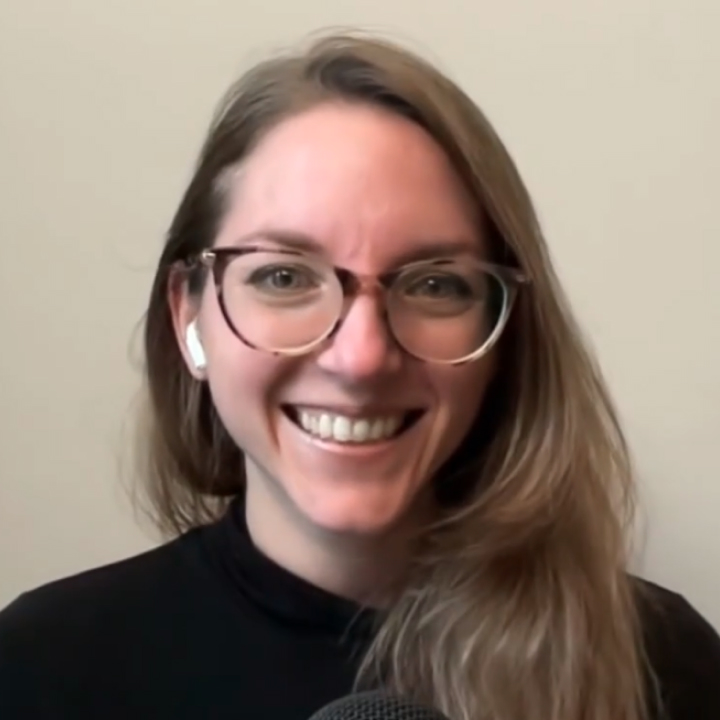
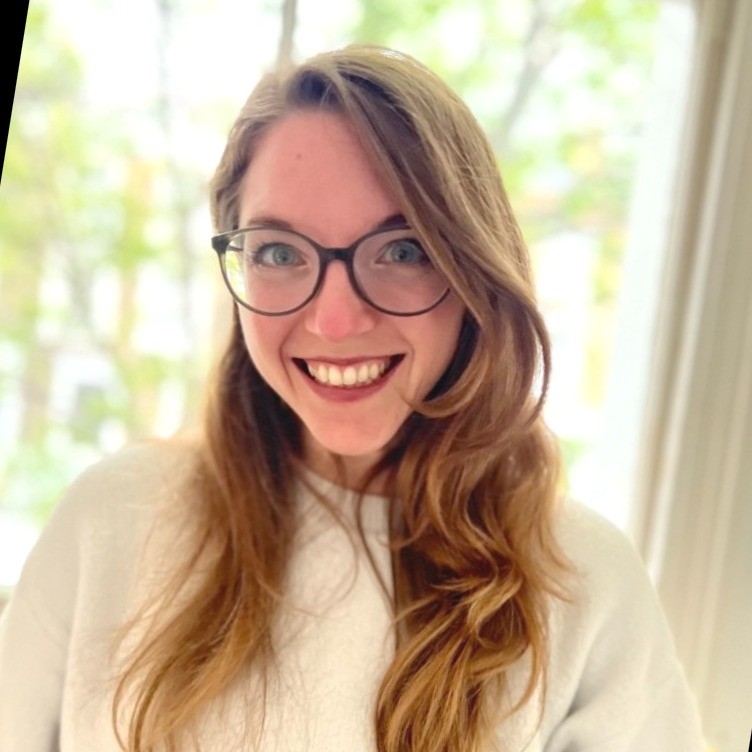
Alessia
,
Sannazzaro
Co-Founder
at
Code & Wander
Episode
7
From Full-Time Job to Full-Time Agency
Overview
Code & Wander didn't start with a plan. It started with a phone call and a pile of half-finished projects. In this episode, Diogo sits down with Alessia, co-founder of Code & Wander, a remote-first digital agency based in London. Alessia and her co-founder have been building websites together for nine years, first on WordPress, then on Webflow after COVID forced them to pause, rethink, and upskill. They talk about how retainers became the backbone of the business not through hard selling but by simply asking what comes next, why rolling over unused hours creates more problems than it solves, and how Alessia uses AI to capture every detail of a first client call so she can focus on the conversation instead of the notes. They also get into component-based design systems, how to choose between Webflow and Framer based on who's maintaining the site, and the boilerplate she's planning to release to the community. The thing she's still figuring out: staying consistent on social media. The content is recorded, the scripts are written, the videos are sitting unedited, and then three weeks go by without a post. If you are building a Webflow agency and want to understand how retainers actually work in practice, this one is worth your time.
Transcript
Better Mistakes (00:10.575)
Hi, Alessia. Thank you so much for joining us today. Why don't we get started by who is Alessia and how Code & Wander started.
Alessia (00:29.11)
Yeah, sure. Thank you so much for having me. So hi, everyone. My name is Alessia, like you said, I'm the co-founder of Code and Wonder. So we're a digital agency remote first, but I'm based in London.
And how we started. So we started nine years ago now, a long while. And back then, before starting Code & Wonder, I used to work as a project manager in another digital agency here in London. And my co-founder worked as a designer and full stack developer in a separate digital agency in London. So what happened is that
Better Mistakes (00:48.925)
Nice.
Alessia (01:11.234)
the digital agency that my co-founder used to work for went into administration. And that meant that there were lots of projects left halfway done and the clients weren't quite sure how to finish them. And so they asked him if he would freelance and finish the projects. And that's when he called me being like, hey, maybe now is the time. Why don't we start something we kept?
talking about starting something together or digital agency and I need someone to help me manage all the projects. So I gave my resignation and that's kind of how it started. So it's a little bit of a different story compared to maybe other agencies. find traditionally majority of people start by freelancing and then they get lots of work and they get more people in and that's how kind of the...
agency grows or get started while we went full in. so we're very, very lucky that we kind of already had clients because there were all these projects that were half done and needed finishing. so we picked those up, finished the projects and they were quite good clients that then they stayed as well. And I guess a bit of luck, a bit of good timing, right people, right place. And that's how.
Better Mistakes (02:35.485)
Hehehe.
Alessia (02:39.448)
Code and Wonder was born.
Better Mistakes (02:41.939)
nice. Such a particular story. That's really nice. And especially when you wanted to, you had a task basically to deliver something great that was not finished off and the clients were, were having some sentiments around the situation already. So such an interesting story. Great. And what is your day-to-day role at I Couldn't Wonder at this moment?
Alessia (03:08.686)
I mean, co-founder means lots of different things to say. My answer might actually change depending which month it is that you ask me. But generally speaking, I do mainly account management. So talking to all of our clients, making sure that all the projects are on track. I do a lot of the networking and sales. So a lot of the first calls that we have with potential leads, that's...
mainly done by me. And then on the development side, I oversee all of the Webflow builds. making sure that everything is up to scratch and best practices are in place. So it's a little bit across the board. Kind of, okay, the sales and the lead generation bit.
together where the proposal making and then I guess I don't get as involved in design. That's mainly my co-founder who deals with that. And then, yeah, overseeing the build as well. So a little bit of everything. Yes.
Better Mistakes (04:17.917)
Great. Yeah. A lot, a lot to do. A lot to do. so in, in the agency, like as the agency grows, um, building predictable process processes is key. So in this journey in the beginning, and I'm sure that when you started, it was a bit chaotic based on kind of what he described, what the starting of the, the, company was. So what process of system.
Did you implement that handle the largest payoff early on, maybe still today?
Alessia (04:53.249)
I feel like it's maybe a bit of basic one, sometimes, a recine, especially at the beginning, is just task management. cause...
Better Mistakes (05:04.124)
Mm-hmm.
Alessia (05:06.221)
I imagine, especially if you're starting as a solo founder or as a freelancer, you might be, you might say yes to everything. So any project that comes in, any conversation with the client is like, yes, of course I can do it. I was like, when, when can you deliver it? Oh, next week. Sure. And then you end up saying next week to all of your clients and then realize that actually you didn't have the time to fit everything in. having a really good task management and that it's based on.
Better Mistakes (05:14.523)
Mm-hmm.
Alessia (05:36.426)
one person up to, you know, even if you have a large team, it becomes very important to see who's free, who's has too much on and how to distribute all the work across your team. So I feel like that's probably one of my favorite tools, maybe because of my background as a project manager as well. That's kind of where I live. And when we first started, we did everything on Notion. So we had all of our
notes, all of our calendars and then quite a few years ago we switched to ClickUp so now everything lives in ClickUp and we share a lot of the tasks, a lot of the views with our clients as well so we have that transparency with the client so they have visibility of what we're working on, what's in progress, what's blocked and have that discussion with them.
I mean, processes are super important in my opinion, especially they make your life easier, basically, instead of trying to reinvent the wheel every single time. Every single time you have a conversation with a client is like, Ooh, how should I do it this way? If you have a step-by-step process, which, you know, it can be flexible. You don't necessarily have to follow all of it every single time. But if you have at least a rough process,
that helps in every part of the project. So from the initial call, what kind of questions do you answered to scope the project all the way to, how are we gonna plan the project throughout? Task management.
Also, one thing that we need to improve is when we finish a project, happens? Getting those testimonials, getting those quotes from the client, the feedback. So that could be a process in itself as well. So I don't know if I really answered your question. It's kind of like all of it.
Better Mistakes (07:31.46)
Mm-hmm.
Better Mistakes (07:40.175)
No, you did. You did. Nice. Nice. Yeah. I'm sure that, so we also came to a point in the agency that we were also considering Notion. Notion was also our go-to tool from the beginning. Then at some point, especially when we wanted to have like a client dashboard to share with the client and we wanted to have a timeline that was...
a single timeline, but the client would not be able to see everything because it's not just like confidentially or we don't want to be transparent. It's just a matter of like some steps that doesn't matter to the client. They want to, they don't want to see like the tiny steps that all our team members go through. They want to see like the general thing. And Notion still is a pain to do that. Most of times we have to duplicate timelines. So we've been there.
I know
Alessia (08:36.105)
That was the main reason why we switched to ClickUp. We wanted a calendar that shows, for example, for me, all of my tasks throughout all of the clients and all of the projects, but then still be able to share just the project view with the client. And you can do that. And I think they fixed it now. So I think they introduced quite a few new features since we swapped, which fixed.
our issues, but we kind of never swap back. But yeah, sharing that singular view and not everything, that was kind of crucial.
Better Mistakes (09:14.509)
Yeah, I got it. So, and.
Many agencies hit like a plateau. So as you, as they are growing in the beginning, it's kind of, if you are comparing like how you scale a year over year, it's easy to see the numbers like getting bigger, but after like five, six years, you see those numbers maybe stagnating. So do you remember in this 90 year journey, when you face one of those plateau times and how do you got past over it?
Alessia (09:47.681)
mean, right in the middle of it, it was COVID. So it wasn't quite a plateau, but more of a nosedive down, where we had quite a few projects, quite a few clients. And, you know, it was going well. And then all of a sudden, everything stopped, no one knew what was happening. So all of our clients put a pause on all of their retainers all on their
Better Mistakes (09:51.609)
Mm.
Alessia (10:17.974)
projects that were ongoing because they just, no one knew what was happening. So that was a bit of a scary moment, a bit of down moment, more than a plateau. But that also gave us the chance to just take a pause and review what we were offering. because we had so much time on our hands, just upskill and learn new things.
Better Mistakes (10:32.269)
Yeah.
Alessia (10:48.074)
And that's actually when I came across Webflow and started using Webflow. So actually it's thanks to COVID that we're so involved with Webflow now. Silver lining somewhere in there. And we added that to as part of our offering as an agency and it took off and now we're mainly, majority of our work is now on Webflow. So we completely.
Better Mistakes (10:56.856)
Nice.
Alessia (11:17.184)
pivoted in a way during those years.
Better Mistakes (11:20.716)
Yeah, that was a good outcome from such a dark time, I would imagine. I was lucky, quote unquote, to start during COVID. So I don't really face those challenges of having a business pre and post COVID. So I can't really compare, but I can only imagine how challenging those times were. So before COVID, you were also developing websites.
Alessia (11:25.076)
Yes, yes.
Alessia (11:50.891)
Yes, mainly on WordPress. So it was WordPress and full stack development and design. And then we, we, after COVID, we basically swapped WordPress with Webflow. So now we do Webflow, still some full stack development, React and whatnot, and design.
Better Mistakes (11:52.813)
on WordPress.
Better Mistakes (12:04.162)
Whatever.
Better Mistakes (12:13.24)
And besides start exploring Webflow and start working with Webflow, what else like change on your agency because of COVID? Any approach like to sales or kind of positioning?
Alessia (12:28.328)
yes, quite a few things changed actually. so the team has always been remote first, hence the name code and wonder, because we always, push people to go and see the world and you didn't have to be stuck in a room in order to, you know, design or develop. And it's actually like taking that inspiration from the world around you that I find very beneficial.
Better Mistakes (12:40.952)
You
Alessia (12:57.26)
And, but having said that before COVID, majority of us were in the office. So we had like full time team that were in the office, more of a traditional quote unquote agency. And then obviously during COVID.
such a tough time we had to let go of some of our team members, sadly. And after COVID, we started working more and more with freelancers. So now we have kind of a pool of trusted freelancers that we pull in and has become kind of our code and wonder family. But that's a little bit of a restructuring of the team and of the team structure there.
And in terms of sales, mean, majority of the leads pre-COVID came from me going to networking events. So I went to two networking events per week sometimes, always out there chatting to people, mingling. And then obviously COVID happened and no one could see each other and all the in-person events kind of stopped.
and a lot of it turned to online and on one side it's nice cause you can reach people that are on the other side of the world and you can still network and mingle with them. I do miss the in-person feel. and then I feel like now it's, there's a lot less in-person events generally across the industry, but I should try and go to them bit more to get that in-person feel again.
If it was now, majority of in-person events I go to is just Webflow meetups and, you know, having fun with my friends rather than networking. yeah.
Better Mistakes (14:45.846)
Mm-hmm.
Better Mistakes (14:49.749)
Yeah.
Better Mistakes (14:53.323)
Yeah, that's true. A lot of in the event industry, lot of, a lot of, a lot of change, especially when those are those types of events where they are super interesting or they could be super interesting, but people just don't have the budget for, so they just keep like the, online, but I, I shared the same feeling. I missed the in-person events where it's not just kind of the chatting, not to, not to compare that.
Also in person is much easier to chat with multiple people than like an online event. But also all the environment about like being careful about the place you pick and the amenities that you have for that event. All that plays a lot of in the quality of the event. So I miss those where you, you feel like something different when you go to a 20 person event.
Alessia (15:26.347)
Yes.
Alessia (15:45.579)
Yeah, it's a lot easier to create connections, I find, because it's the key bits in between the event. It's like going for a drink or, I mean, most networking events, they had free food and booze. So it's just like, yeah, just having a good time. And now everything is on zoom or whatever. And as soon as the event is finished, everyone click closes the window and that's the end of it. There's no after party or drinks afterwards in any
Better Mistakes (15:48.352)
Yeah.
Better Mistakes (15:52.565)
Mm-hmm.
Better Mistakes (15:59.478)
Yeah.
Alessia (16:15.623)
like that so yeah it's a bit harder
Better Mistakes (16:18.71)
Yeah, definitely. So maybe that's one was one of the things that changed, but one thing that I would like to talk with you is retainers. So I know that you also enjoy talking about that. So, and that's one of the main pain points, I think in agencies, it's like sales related, like how to get new clients. But also if there was a better retainer strategy, maybe finding.
or sales will be not so hard for agencies to build that predictable income. So what can you share? What can we learn from you in terms of retainers, especially in like web design, web flow development agency context?
Alessia (17:04.14)
Sure, yes, I'd say that at the moment our work is, well, we try to keep a balance of like 50 % retainers, 50 % just one-off projects. I find that's a nice balance to have. So keeps the work interesting because you're trying, working on new projects, but also have that ongoing...
I mean, it's good for the business, but it's also nice to create that really deeper relationship with the clients and have that ongoing retainer in the background that keeps going as well.
To be honest, we always had retainer from day one. the time we, I think we called them just maintenance contract. think that's comes from WordPress probably because WordPress, the type of work that we did was all custom themes. We didn't use Elementor or anything like that. Everything was custom coded specifically for the client and custom hosted because of their request, which also meant that you need that maintenance contract.
contract to go with it because plugins and WordPress security is just a nightmare. And then we took on Webflow and that all changed, right? Because you don't really need a maintenance retainer because Webflow hosting takes care of all of that. But what we started doing is really
I know this sounds so cliche, but becoming a partner to our clients, which meant we're not just maintaining the site, we're growing the site with them and helping their team grow as a team, as like the work that they do and eventually the site as well. So our retainers cover design, development.
Alessia (19:05.16)
analytics set up if they need it or sometimes even things that we don't officially offer but we're happy to help our clients with. Like copywriting, video editing is not necessarily our core offering but we can do on an off basis. So we basically were the go-to team for anything they might need and that will often happen.
Better Mistakes (19:12.913)
Mm-hmm.
Alessia (19:35.166)
where they sent me a message and I was like, we need this in like two days but we don't know, like do you by any chance have any idea how to edit this video? And I was like, yeah sure, I can swap that image on the video. And they're so grateful for these kind of non-official offerings that we can help with.
Better Mistakes (19:48.382)
Mm-hmm.
Better Mistakes (19:56.638)
Yeah.
Alessia (20:00.158)
But every retainer that we do is tailored to the client. And I think that's one thing which makes it a little bit harder to set up, but also more flexible and I feel like the clients are happy that
we're creating something tailored to them and to their needs. So all of our retainers are based on hours and skills. So before setting up a retainer, we have a call with a client and most of the time we create the site for them first.
Better Mistakes (20:26.012)
Mm-hmm.
Alessia (20:44.807)
And we, just go over their requirements of what they want to achieve throughout the year. What are the campaigns, new campaigns that they want to set up, new ideas, new iterations, what it might be. And all of this can be super top level and it doesn't have to be set in stone because unlike fixed projects, which we ask for a fixed scope, retainers are based on hours. So you don't necessarily need a fixed scope.
Better Mistakes (21:10.736)
Mm-hmm.
Alessia (21:14.737)
We just need to know roughly the amount of work that they will need throughout the year. And then we say, okay, for your needs, we recommend X amount of hours per month. And those hours could be used in anything you need from design, development, training your team and things like that. So it's super flexible in that regards.
Better Mistakes (21:26.257)
Mm-hmm.
Better Mistakes (21:38.895)
Yeah, that's nice. That's, that's an unusual approach. What I most commonly see is like you get design dev and you have like 40 hours per month or 60 hours per month. And that's it. You don't have like, don't see, it's not very common for me to see like if you want video production or if you want copywriting, we can add those because again, that, as you mentioned, that creates a lot of complexity. Like you have to find the people you have to find the right people.
Alessia (22:06.505)
Yeah.
Better Mistakes (22:08.883)
You have to know, like you have to create a strategy for prices for each one of those services that you create. And yeah, most people like struggle with one or two services rather than like five or six.
Alessia (22:19.071)
Yeah.
I guess that's the benefit of having like a bigger team with lots of different skill sets and then have like have the ability to pull people in if anything is needed. Like I said, it's not like the video editing, we would only do basic ones. We wouldn't do like full on production because that's like you said, that's so much planning and so much more involved. But if it's like...
Better Mistakes (22:25.543)
Mm-hmm.
Alessia (22:50.633)
you know, just throwing something in Final Cut Pro or Premiere Pro, whatever your software you're using and do a quick edit. For us, it's quick. For the client, it's a nightmare. So that's an easy win. So being flexible, I think it really helps. But I guess one thing that a lot of people struggle is
Better Mistakes (22:57.843)
Mm-hmm.
Alessia (23:16.231)
Once you have the client, it might be easier to be flexible, but it's getting the client to sign a six months agreement, which is the hard bit. And to be honest, for me, the best way of selling is not to sell. To be honest, most of the retainers that we have, the client asked us if we offer the possibility of keep working together.
Better Mistakes (23:22.738)
Mm-hmm.
Alessia (23:42.932)
instead of them trying to find someone else or trying to hire in-house. So majority of the retainers came from the client. And I find more and more now when, especially when we quote for fixed projects, maybe they're looking for a migration or a redesign. They often ask what happens next. So after you deliver the whole new site to us,
Are you still available to help us to create new pages and grow the site or train our new team members, for example? That's something that I get asked more and more now. And I give like the basic pricing, but I always say let's yes, we do offer it. And this is like a rough ballpark of what it might cost, but let's not worry about this because you might not need it. So I'm actually.
Better Mistakes (24:41.189)
Yeah.
Alessia (24:42.609)
underselling it or like trying to say, you know, we'll set everything up for you. See how it goes. And then if you need us, we'll discuss retainers, but you might not need it. So I guess it's the opposite of selling.
Better Mistakes (24:43.985)
Yeah.
Better Mistakes (24:57.874)
No, but I think it's a good approach. Hard selling, I don't think it's a good approach in our industry. I think it's a lot of like relationship management and at the end they will love working with you. So it only makes sense to continue. And of course they want to know from the beginning that they will find a partner that they can be there for the long-term if needed. But you have like...
half the work done from the beginning. So they know that you will be able to continue working with them, but you're like, don't worry about it. And we'll be there, but we'll figure it out a way.
Alessia (25:33.203)
And it happened, it's funny it happened before where they came for like a shorter retainer to train their team. So we did that and they're like, okay, now we're gonna see how we do on our own. And then they spent a month on their own and then they came back being like, no, maybe it's good to have you. Can you come back please? Yeah.
Better Mistakes (25:51.813)
Yeah. No, that's lovely too, when that happens. And I'm curious. So when the client, for example, signs for X amount of hours per month, does that, like, if they don't use all of those hours, do they go to the next month or like they are just like gone?
Alessia (26:14.517)
So we used to roll them over. The problem with that is it's hard to schedule time. So imagine you have a team of three developers and they all have different retainers attached to them or that they're looking after. If...
Better Mistakes (26:35.279)
Mm-hmm.
Alessia (26:36.935)
you start accumulating hours, then everything shifts and it becomes really hard to maintain quality and a consistent amount of work. we now started not rolling those hours. So we always keep track and we always have weekly check-ins with the clients to make sure that they have enough tasks to cover all the hours. And if they don't, we suggest
of improvements. So we'll go, we'll do a bit of an audit of the site and say, you know, we still have a day left in your retainer. Shall we look, just review the site and come up with a few suggestions on how to improve it? So that way the client never feels like they're losing hours and they're like missing out. But all of those gets used throughout the month. But yeah, we don't roll them over anymore.
Better Mistakes (27:34.712)
Nice. Yeah, that's one of the struggles also that I found on a few retinients that we had where the client signed up for a few hours, but then down the line, like four or five, six months, they really don't use those hours anymore because there was like a lot of work in the beginning, but then it started slowing down. And yeah, it's hard to manage when we have just too many hours getting on top of each other. So.
What advice would you give to someone that is just starting an agency? Maybe some things that you've done in the beginning that you wouldn't do today. And wants to build it and scale like a recurring revenue business.
Alessia (28:26.547)
I I find the first thing super obvious, but if you want a retainer at the end, offer it at the end of the project. I find a lot of people say, I wish I had all these retainers, but then they sign up for fixed projects and they don't offer anything afterwards. So I find the client can't ask what they don't know. So first is offer it and tell people that
that's something that you do. If, I mean, I think that that's the main one. The other, like while running the retainer, we always set up a Slack channel with the clients that do use Slack internally. So we're always available in a way to communicate quickly. any questions I can quickly answer and then if they have any incoming tasks.
we'll create a ClickUp ticket and schedule that. So it's not always on call necessarily, but always there to answer questions if needed. And that, I feel like that builds trust because it feels someone that they can rely on. And the second, it builds that rapport and that knowledge that you're there to help and you're part of the team and the same way that they can
message a co-worker and be like, hey, do you have a minute tomorrow to talk about this? They can message you at the same time. So it's really becoming part of their team and someone that they can rely on and appreciate at the end.
Better Mistakes (30:09.965)
Yeah, absolutely. Now on the more on the tech side of things, you mentioned that from COVID, you start working with Webflow as a tool. Do you also work with Framer or just Webflow at this point?
Alessia (30:25.554)
We do some framework projects. I'd say majority is Webflow at the moment, but we did do quite a few framework projects as well.
Better Mistakes (30:36.375)
And how do you decide which one is kind of the best to a specific project?
Alessia (30:43.018)
A lot of the time is actually the client who requests the tool and they did the research and they said, you know what? I really like Webflow. want to our new site to be on Webflow or I really like Framer. I want the new site to be on Framer. If they're on the fence, we look at their team structure. So if the team has majority designers, then Framer might be more familiar to them to maintain the site.
Better Mistakes (31:05.176)
Mm-hmm.
Alessia (31:11.05)
if it's mixed or mainly, content managers, then we would look at Webflow, specifically. yeah, but majority of the time the client did their homework and was like, we decided on this. and we can always give an open opinion if they, we think they made the right choice or not. but yeah, that's, I think that's the split if.
Better Mistakes (31:27.405)
Mm-hmm.
Alessia (31:39.634)
It's more design oriented or content and developer oriented.
Better Mistakes (31:45.486)
Yeah, I like that approach. I never thought about that on like thinking about the client structure and what should be the best tool for them. A good approach. How do you personally see AI's role in the future of digital agents? I think this is kind of one of the main topics for the past year that agencies, maybe freelancers as well, started thinking about like at what point I'm going to be replaced without going...
wanting to be super negative, but what do you see the AI's role in the future of agencies?
Alessia (32:23.73)
I mean, I always see AI as a tool and something to speed up processes or improve processes. I feel like it's a, it's a threat if you don't embrace it. So if you're completely negative about it and be like, no, AI is going to replace my job. I hate it. I don't want to even look at it. Then it will replace your job. But if you embrace it and it
It could give you superpowers in a way, because all of a sudden you're more efficient, faster, you can achieve more. And that's actually the person who's going to replace you, not necessarily AI. So that's my personal view on the topic. For agency specific, I mean, we use quite a few AI tools. The majority of the time is either by like for
processes or copy content writing or the other side is development. So we really embraced AI and development. have full stack developers and they embraced it as well. more, there's the whole vibe coding trend. I don't necessarily see it for us. I don't see it as vibe coding necessarily because it is developers using.
Better Mistakes (33:42.221)
Mm-hmm.
Better Mistakes (33:50.753)
Yeah, exactly.
Alessia (33:50.887)
AI development, so they can triple check all of the code that gets outputted by the AI. And sometimes the AI hallucinates or it goes, not like goes into a looping cycle that can't get out of it. And that's where the developer can step in and detangle it themselves. So that's super useful.
So that's more empowering the developers versus replacing them all together. And that's one way that we've embraced AI. The other side, which I find super helpful for me specifically writing all the proposals is proposal and requirement gathering. I often now have AI kind of
overshadow all of my first calls with clients so that I can purely focus on the conversation and I don't have to like quickly write all my notes. I just focus on the conversation, ask all the questions that I wanted to ask, make sure that I cover all of the points and let AI do all the summary and the bullet list of requirements, which then get fed into the proposal as well, which I find
It means that the proposal is a lot more detailed because it captured all of the requirements mentioned and it's not just me trying to remember what the conversation was. So I find in that sense AI has been super helpful in helping me just remember everything, cover everything in that first call and have that a lot more efficient compared to what it was.
Better Mistakes (35:39.379)
Nice. And we talked about design, like how you apply AI in the, sorry, in the development, also in like kind of operations. And on the design side, you use it for anything?
Alessia (35:54.281)
Mainly content. So not so much design or layout or anything like that is more image generation. So if the client doesn't have any images, for example, and they don't necessarily want to use stock imaging, we can leverage AI to create some interesting shapes or images or depending what the brand is. We recently used it for, to create videos. The client had all of
Better Mistakes (35:55.989)
Mm-hmm.
Alessia (36:22.44)
static headshot of the team. have a huge team, over 200 people, and they want it to do something more fun. But they also don't want to organize a whole photo shoot for the whole company to get like a little video or a little thing. So we run all of the headshots through AI video generation and create little videos for each one of them, which looks exactly like them.
the moving or drinking coffee or doing something fun. and then uploaded that as a hover to the website. So that's another fun way that you can introduce or create more assets or images and videos for the client without the client having to spend lots of money on, video production and things like that. but that's majority of the design that
we used AI for. We don't necessarily use AI for full page designs or layouts or anything like that. Just yet. We'll see.
Better Mistakes (37:30.677)
Just yeah. Yeah, I still find that AI doesn't do a good job. Maybe it does a good job for mood boarding and those early stages of design. But actually replacing part of the design process, right now I don't feel like it does the job properly.
Alessia (37:50.729)
Yeah, mood boarding is a good one. Just getting inspiration or see what it comes up with. I find majority of it's not that great, but at least it makes you feel good about yourself and maybe that's a plus.
Better Mistakes (38:07.157)
Yeah, for sure. Another topic that I would like to discuss with you is like in terms of approach to, to outside. I think we, we, we share that same like thinking of thinking of websites as a group of components that together they build a page, not the other way around, like thinking just about pages and then like.
break those pages and turn them into components just so you can tell the client that they have something to use by themselves. How do you usually approach that? Do you take that component-based approach from the design stage or is something that once the website is built, you start thinking about variables of the components and all that?
Alessia (38:56.47)
We first of all, design system is a huge topic of mine. I love to hear about design systems and approach to design systems and components and web flow. And the way that I would approach it is design first. So the designer creates the whole design of the website because we don't necessarily want to limit creativity.
Better Mistakes (39:00.817)
Mm-hmm
Alessia (39:21.11)
or having the designer have to triple check all everything is componentized or componentizable, if that's a word. And then once the design is in review phase, we'll just double check that how much of it could be divided into blocks or components.
Better Mistakes (39:21.223)
Mm-hmm.
Better Mistakes (39:30.238)
Yep.
Alessia (39:46.187)
and it might be that there are some adjustments, but this all happens still in design phase. So that when the client reviews it and approves it, we know that it can be easily built. And by easily, it doesn't mean that it has to be a super boring design. It just means that we have those blocks in place. And then when we move to development, we'll do, well, we have a boilerplate that it's internal to our, to the agency, although
Better Mistakes (40:01.481)
Mm-hmm.
Alessia (40:15.772)
I'm looking to release it at the end of the year, so stay tuned for the new boilerplate. And that has all of the variables and, know, like font and spacing and typography and colors and all of those that you can change according to the design and the brand of the client. And I always find there's two approaches to
design systems or component system in Webflow. there's the, what I think Timothy Ricks calls like open components. So these are the ones that you can nest inside of each other. And it's all based on component slots and you slot those components inside. And then there's the other approach, which is like a closed component. So this has more
Better Mistakes (40:51.882)
Mm-hmm.
Alessia (41:10.698)
relies more on props rather than the nested or the slots. So it might be a whole section. So for example, a whole hero section or text, text and image or image and text and kind of all of these sections with all the properties on the side. So pros and cons to both. What I often tend to do is a mix. So I would use the open components to
build the pages and you can always wrap kind of the components and create a closed components based on those open components to make it easier for the client. And the level of closed components often depends by the technicality of the client itself and what their requirements are. Cause if they're a less technical client who just wants to drag and drop sections in and maybe has a
Better Mistakes (41:45.513)
Mm-hmm.
Alessia (42:10.045)
more limited or rather more strict design system, then majority of those would be set up as closed components and then the client can manage those when creating new pages. But if it's a client who's maybe a little bit more technical and the design has so many variations that closed components will become like hundreds of them.
Then we would train them on open components so they have full flexibility and can build those different layouts themselves. So again, it depends on the client and what their team is and their capabilities in-house. And then we would decide whether to lean more on closed or open components depending on what their needs are.
Better Mistakes (42:59.943)
Nice. That's a great approach. You have the team in mind who's going to be behind it because there's no point of building something super fancy that is good to show on portfolio. then the client is like, isn't... Yep, can't use it. Welcome to WordPress again. Nice. So we are getting close to the end. I would be...
Alessia (43:13.523)
Can't use it.
Yeah.
Better Mistakes (43:28.904)
I'm interested to understand like what is next for a Code & Wonder what people that are listening to this episode, what they can expect for, what is your vision that you're comfortable sharing for the next 24 months, 12 months, whatever that might be.
Alessia (43:44.682)
Yeah, I don't think I plan for 24 months in advance. Yeah, exactly. like AI would have transformed the world in, you know, six months anyway, so who knows.
Better Mistakes (43:48.936)
and in this age who can?
Better Mistakes (43:57.062)
Yeah, I'm I'm asking this question, but I only plan for the next six months because other than that, it's already too much.
Alessia (44:01.937)
Yeah. Yeah. So let's focus in the next six months, let's say. We are doubling down on code components. So something that we're planning and releasing, maybe a little surprise for the community is a library of code components that people can use. I mentioned the, our boilerplate of
Better Mistakes (44:06.45)
Yeah.
Alessia (44:28.969)
component system, which I'd like to release to the community as well. It's just a question of documentation and getting everything in a row, which it's the 20% that it's actually the 80% of the work, that bit that it's missing and fitting that in together with, you know, client work and agency business growth, all of that sometimes is a bit of a challenge.
But those two things I'm super excited with that hopefully will release, if not by the end of the year, in the new year for sure. And we are going to create a lot of more content and webinars and more videos, more to come.
Better Mistakes (45:18.535)
And one closing question that I like to ask to any guest, so hopefully there are some people that are watching this and they are able to help in any way. What is one thing that you are struggling with right now in the agency or in the business that you would like to get some light?
Alessia (45:40.298)
I think me personally is social media and content creation. I mean, I love it, but it's the time that I'm missing. So, you know, I'd love to release a video every week and have webinars every quarter or even more often and so forth. it's just figuring all of that out and actually put the time together to plan it out.
together with social media, I'm so terrible at social media. I'll be online for a week being like, yes, I'm scheduling all my posts, everything is planned, everything is out. And then that week is gone and I haven't planned the following week. So then I go silent for like three weeks in a row and then there's a spike of another week and then silent again. So that is my personal challenge is keeping myself consistent in
Better Mistakes (46:23.985)
Yeah.
Alessia (46:37.769)
scheduling stuff and putting more content out there. Yeah, that's, I would say that's my number one.
Better Mistakes (46:43.162)
Yeah, I relate so much. If it makes you feel better, you're not alone. It's a constant struggle, even with all the tools that you have for scheduling and all that, you still have to make the time to make those scheduling work. And I think sometimes that's the challenge is kind of making sure that you have everything to at some point you do the scheduling. I think it's not the scheduling part that is a problem. It's like finding the right time.
Alessia (46:49.021)
Yes. Thank you.
Alessia (47:00.104)
Yeah.
Better Mistakes (47:12.666)
to have everything prepared so when the scheduling comes, you have everything ready.
Alessia (47:16.987)
Yeah, I mean, we use buffer for all the scheduling we have, you know, it's all there. I have a script for videos. I've actually recorded a bunch of videos, but I haven't edited them. So yeah, it's, it's a whole, it's a whole thing.
Better Mistakes (47:23.077)
Yeah.
Better Mistakes (47:32.196)
Yeah, it's hard. It's Prompt our props to those people that are super consistent that we... They are able to make it. I can't.
Alessia (47:38.738)
Yes.
Yeah, I feel like sometimes it's taken for granted. was like, yeah, those people just have a video every week. And it's like, it's only sometimes a 10 second video. Like it's so easy to make. How wrong.
Better Mistakes (47:48.943)
Yeah.
Better Mistakes (47:56.934)
Yeah, it's not. Yeah, yeah, I think we just find it for the lack of experience and everyone a little bit like the influencer life. It feels like it's so easy. You just have to make a video, but it's much more than that in the background. yeah, with these small experiences, we can start relating a little bit with those type of influencers.
Alessia (48:10.247)
Yeah.
Alessia (48:22.483)
for sure.
Better Mistakes (48:23.897)
All right, Alessia, that's it. Thank you so much for taking the time. can't wait to chat again soon on kind of how the goals are going. So thank you so much.
Alessia (48:35.645)
Thanks for having me. This has been so much fun, so thank you.
Better Mistakes (48:39.215)
Thank you.